Desktop and laptop diagnosis
Assessment of common startup, performance, power, storage, connection and component-related faults.
- Fault diagnosis
- Practical repair options
- Software checks where relevant
Computer and device repairs
Hands-on diagnosis and repair support for computers, laptops and common mobile device faults, with the options explained before work moves forward.
Diagnosis before assumptions
A device that will not start, charge, connect or run reliably needs a careful first look. Leigh can assess common faults and explain whether a repair is practical, whether more information is needed, or whether another option makes more sense.
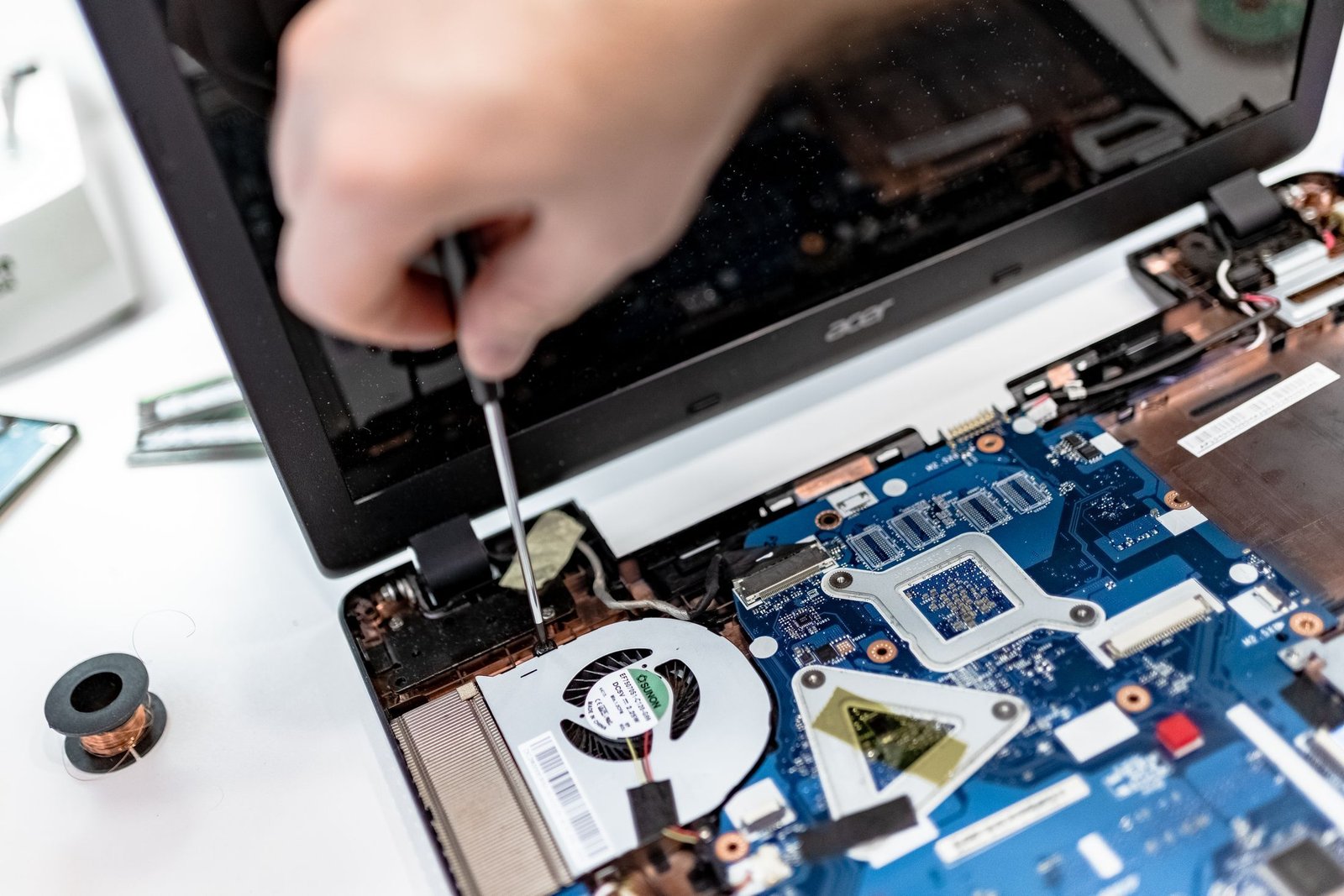
Move across the image to inspect
The exact work depends on the device, the fault and whether suitable parts or a practical repair path are available.
Assessment of common startup, performance, power, storage, connection and component-related faults.
Hands-on assessment of common mobile device issues, with the likely path explained before proceeding.
Software, updates, settings and storage can create symptoms that look like physical failure.
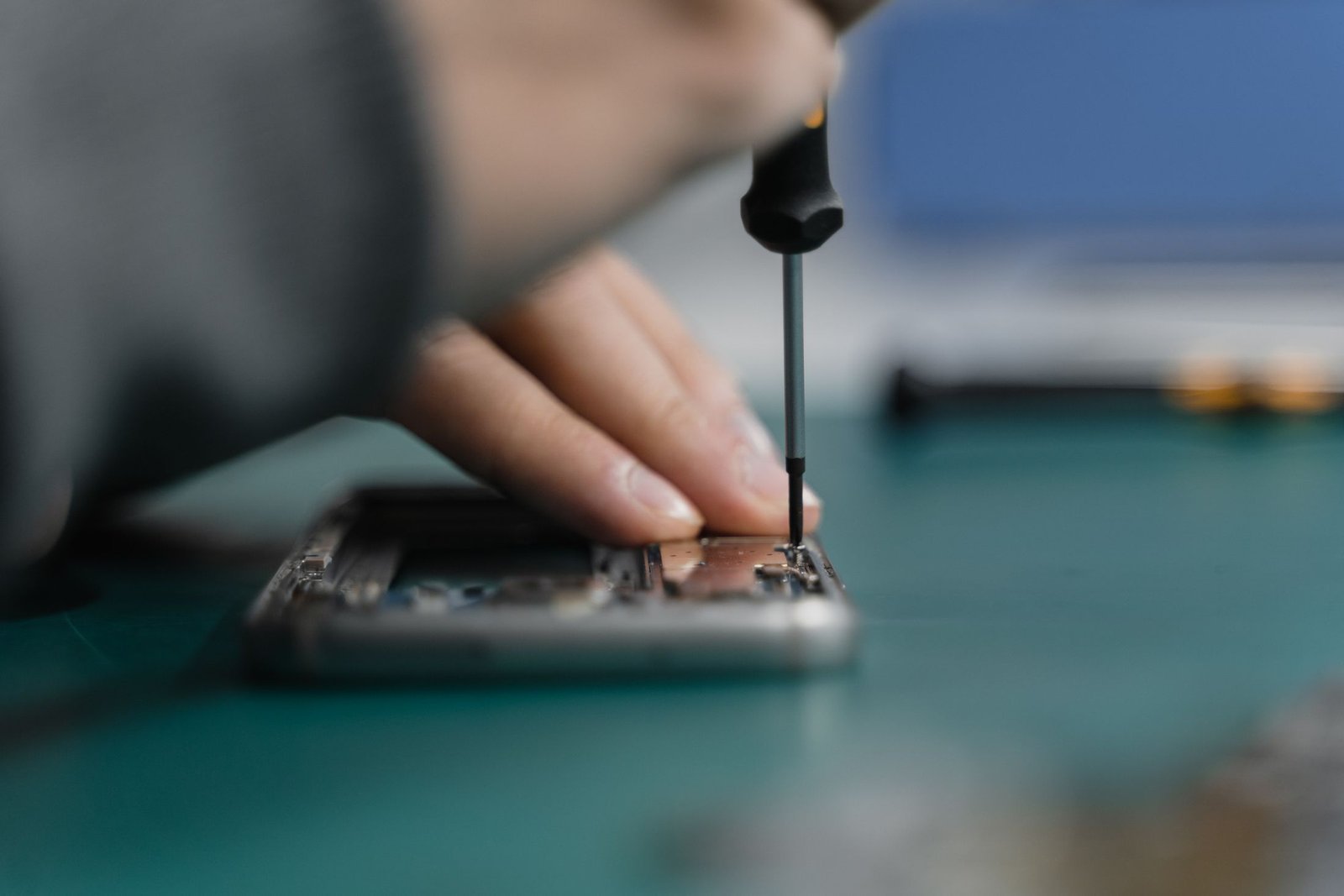
Small parts, clear decisions
Model, fault, condition and parts availability all affect what is practical. An initial description helps Leigh understand the likely scope, but a firm assessment may require seeing the device.
Not every fault leads to the same outcome. The process is designed to make the decision clearer.
Share the device, symptom and recent history.
Assess the likely source of the issue.
Outline what appears practical and why.
Choose whether and how to proceed.
Repair outcomes cannot be promised before the device and fault are properly assessed. Work depends on condition, parts and what is sensible for that particular device.
Device repairs
Include the device type, model if you know it, the symptom and when it started. Leigh can then advise on the most useful next step.
OPEN EMAILcontact@gaiterit.com.au